Search for "white-label AI" and almost every result offers the same deal: take a chatbot or voice agent someone else built, put your logo on it, and resell it to your clients for a monthly fee.
That works for some agencies. But if your clients pay you for judgment, like what to change in an ad account or whether a dip is real, a rebranded chatbot doesn't sell what they're actually buying. This guide covers both models and how to choose.
What "white-label AI" usually means
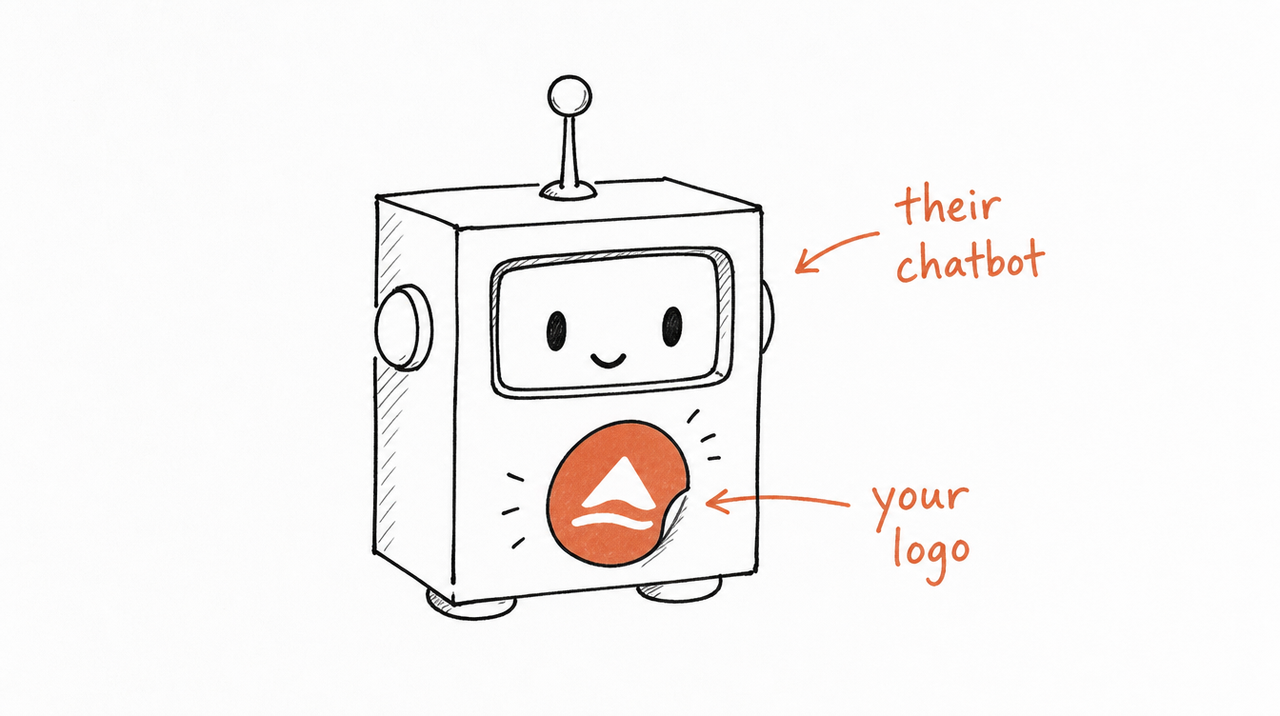
Most white-label AI platforms sell agencies a ready-made product to rebrand and resell. The usual pieces are:
- Your branding: your logo, colors and often your own domain on the dashboard clients see.
- Your pricing: you set the monthly fee and keep the markup.
- Client accounts: a separate space for each client, managed from one agency login.
- The product itself: usually a website chatbot, an AI phone receptionist, or automated lead follow-up.
The platforms that rank for these searches, such as Stammer AI, Voiceflow, BotPenguin and GoHighLevel, mostly sell chat and voice agents in this way. It's a good fit if your clients are local businesses that need calls answered and leads followed up.
The catch for marketing agencies
If you run paid media, SEO or growth for clients, three things are worth weighing before you resell a chatbot:
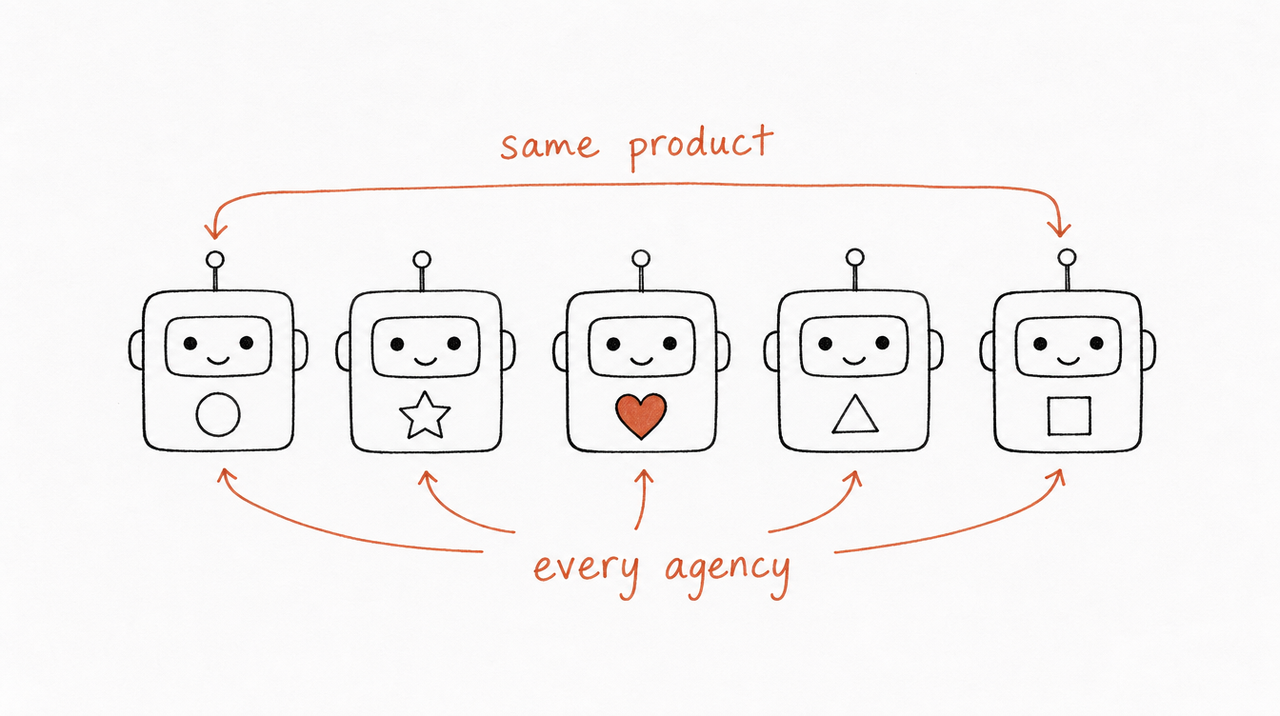
- Anyone can resell the same product. Your competitors have access to the same platforms, so the offer tends to compete on price.
- It doesn't use what you know. The chatbot answers your client's customers. It doesn't apply your agency's way of reviewing an account.
- It adds a product line. You become responsible for a support tool that isn't your core service.
What clients pay a marketing agency for is the thinking: is this CPA rise a problem, is the account ready to scale, is this creative fatigued? That's the part worth putting your name on.
The other model: white-label your own method
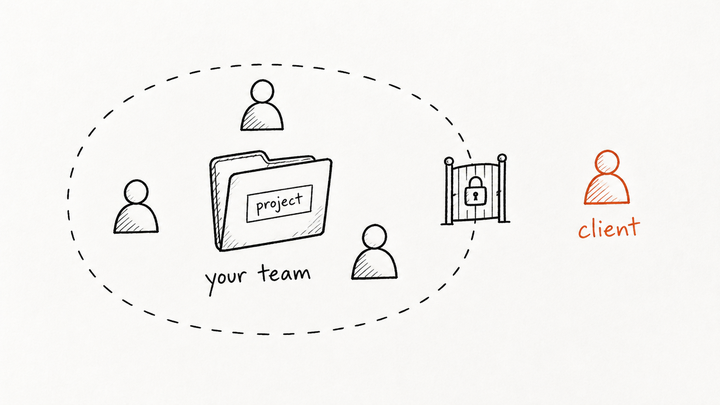
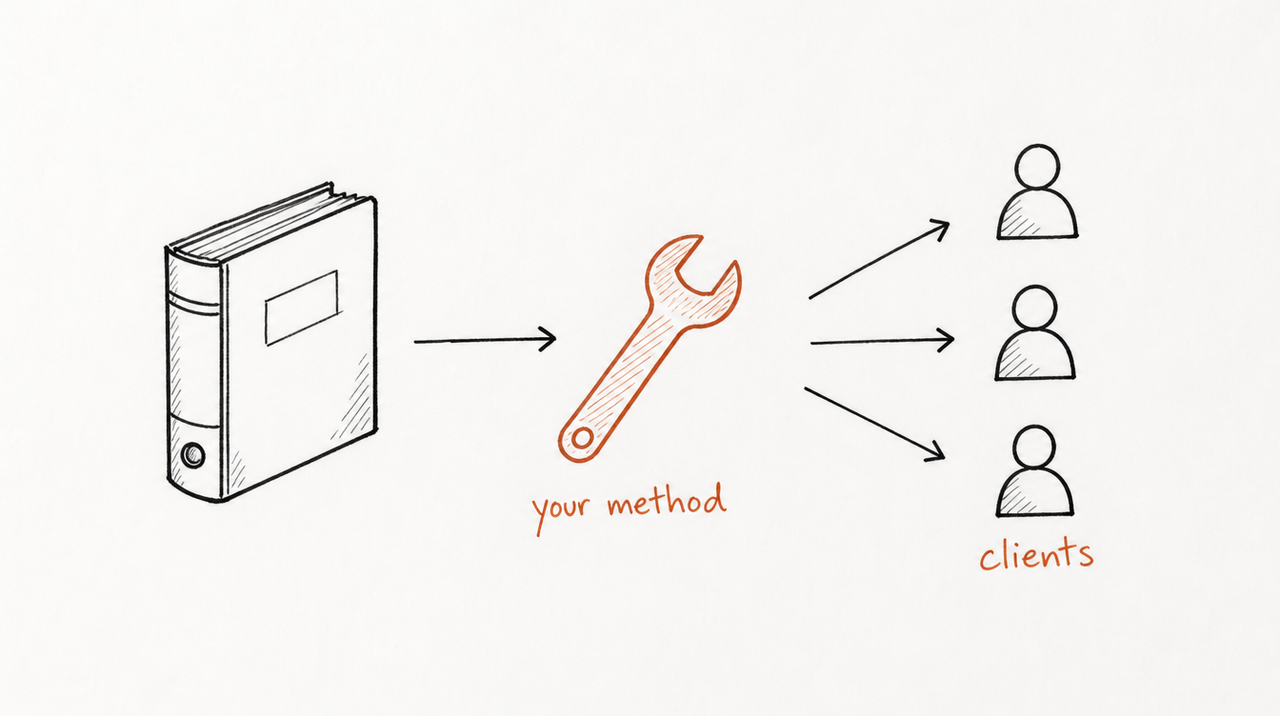
Instead of reselling a product, you turn one of your repeatable reviews into a private AI tool. The method is yours, the name on it is yours, and each client gets an answer based on their own account.
Here's how it plays out. A client asks, between your weekly calls: "CPA is up 22% this week. Should we cut spend?" A chatbot would guess. A review built from your method checks what you'd check first: the offer changed four days ago, and this account usually takes six to eight days for conversions to come in. So it answers: too early to tell, recheck after the conversion window, and here's the information still missing.
That answer carries your agency's name, follows your criteria, and says when the evidence isn't enough. Reviews that work well this way:
- Performance change review: what changed, which explanations fit, what to check next.
- Scaling readiness review: does the account meet your criteria for more spend?
- Creative fatigue review: which signals point to fatigue, and what else could explain the drop?
- Lead-quality review: how do acquisition results compare with what happens downstream?
Side by side
- What you sell: reselling a chatbot means someone else's product, rebranded. Your own method means your agency's judgment, packaged.
- Who uses it: a chatbot serves your client's customers. Your method serves your client.
- What it does: a chatbot answers questions, books calls and follows up leads. Your method reviews the account and supports decisions.
- Where it runs: a chatbot runs in the vendor's chat widget or phone line. Your method runs in the client's own AI app, such as Claude or ChatGPT.
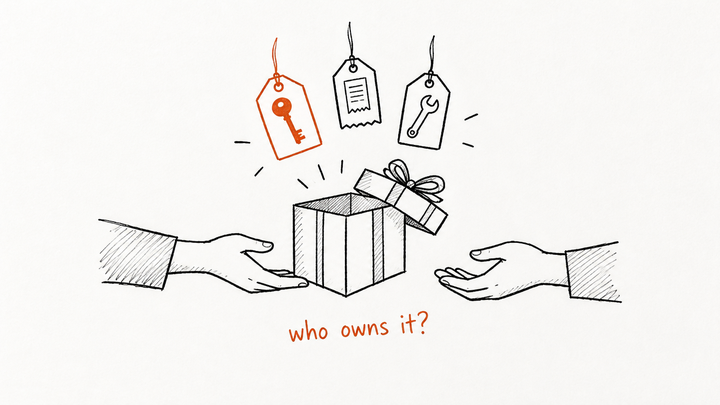
- What's unique to you: with a chatbot, your branding and pricing. With your method, the method itself, kept private.
- How you charge: a chatbot usually carries a monthly fee with markup. Your method is usually included in a retainer, or a premium tier.
You don't have to pick one. Plenty of agencies could resell a receptionist to one client and give another a performance review. The question is which one strengthens what you're known for.
How to start
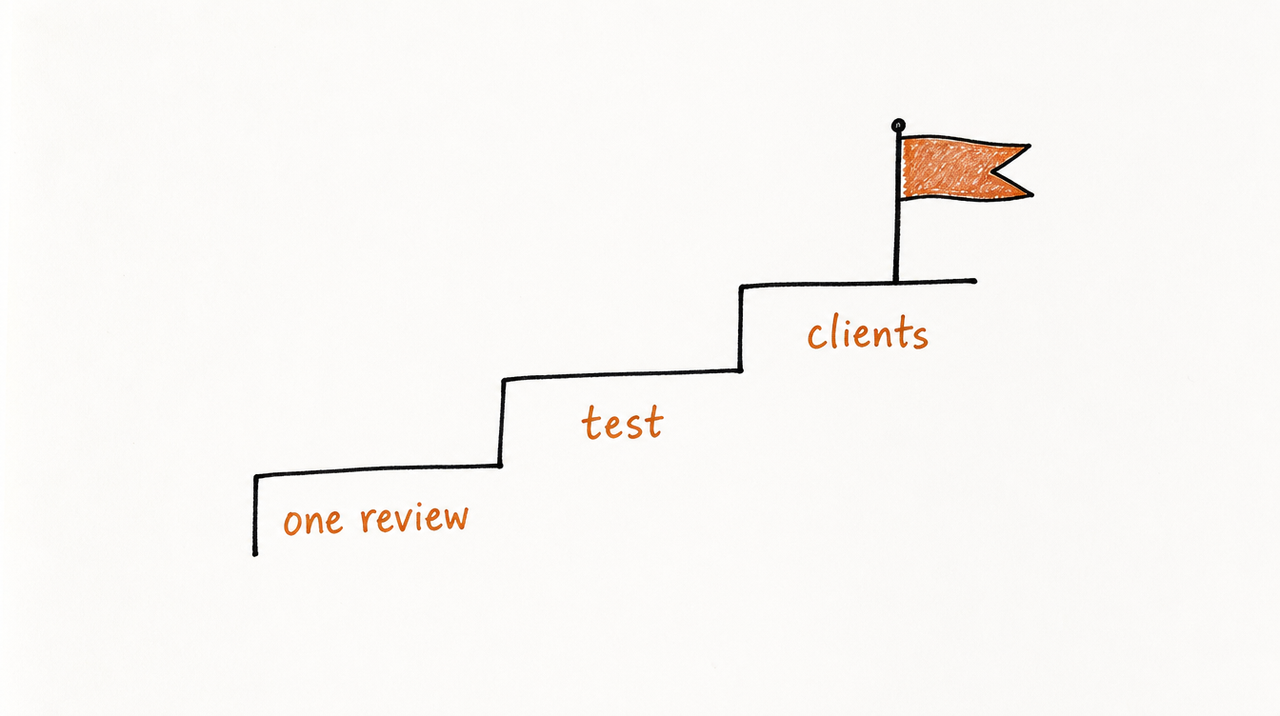
Don't try to turn your whole retainer into AI. Start with one review your team already does well:
- Pick one repeatable review. Gather the checklist, a few example reports, your decision criteria and the exceptions.
- Define and test it. Say what information it needs, what it can conclude, and when it should ask for more. Test it on real client scenarios, including messy ones.
- Use it internally first, then open it to selected clients and expand from there.
Two honest caveats. Approving a method isn't the same as reviewing every answer, so don't present AI output as reviewed by your team unless it was. And useful answers will reveal some of how you think; that's the point of sharing them.
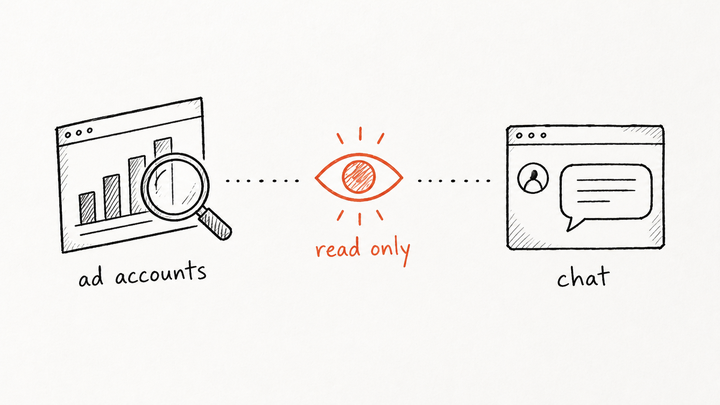
expertrelay is built for this. Your review runs privately on our server under your agency's name, each client connects it once to the AI app they already use, and you choose which clients get access. When you improve the method, every client uses the new version on their next question.
See how it works for agencies →
FAQ
What is white-label AI?
AI software built by one company that another company rebrands and sells as its own, usually with its own logo, pricing and client accounts.
What is the best white-label AI for marketing agencies?
It depends on what your clients buy from you. For local businesses that need calls and chats handled, a chat or voice agent platform. For clients who pay for strategy and reviews, a tool built from your own method.
Can you white-label ChatGPT?
Not ChatGPT itself. White-label platforms build their products on AI models and put your brand on the interface. The other route is to give clients a tool that runs inside their own ChatGPT or Claude under your agency's name.
How do agencies make money with white-label AI?
Resellers usually charge a monthly fee per client on top of the platform cost. Agencies offering their own method more often include it in the retainer or a higher service tier, to make the retainer worth more.
Will AI replace our account managers?
Not this kind. A review tool answers the questions clients ask between meetings; your team still owns the strategy, the relationship and the decisions.