If you coach or teach online, you've probably been offered an "AI version of you": a chatbot trained on your content that talks the way you do. Delphi and Coachvox are the best-known platforms for it.
There's a second option that gets less attention: AI tools built from your course, each one doing a specific job your method teaches. This guide covers what each is good at, how the two leading clone platforms work, and how to choose.
What an AI clone does
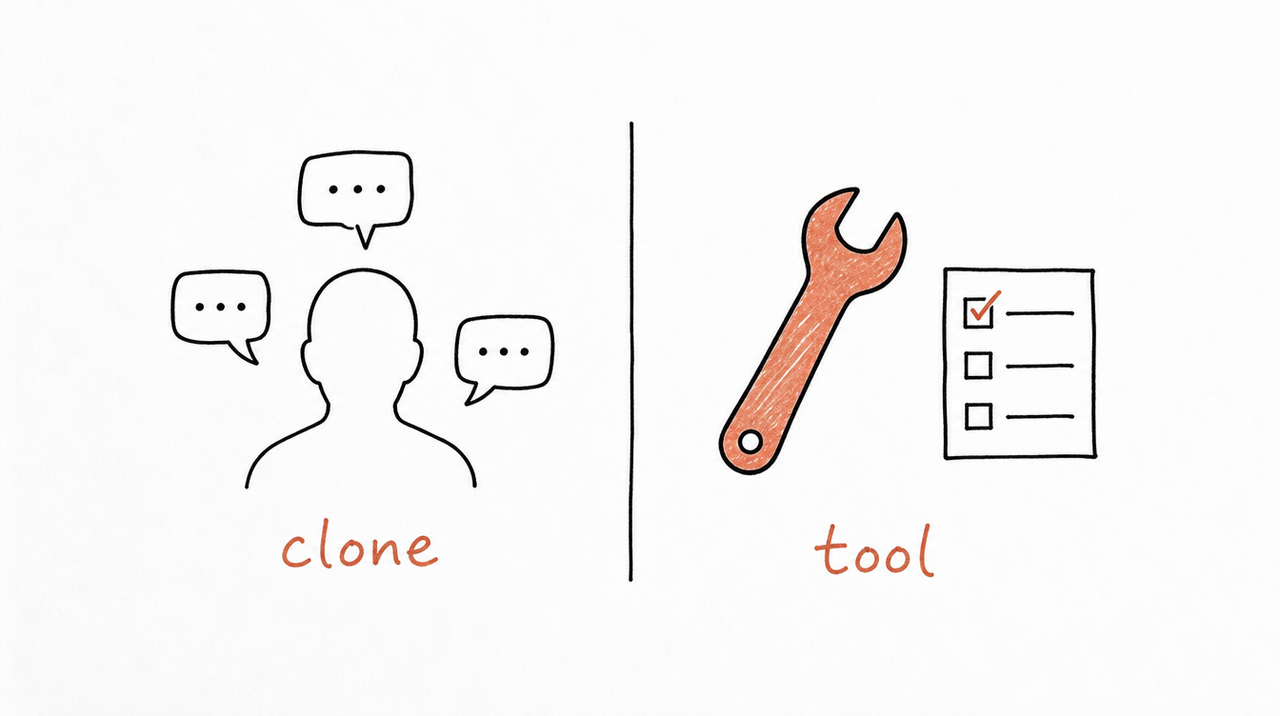
An AI clone is a chatbot trained on your content, such as your posts, podcast, videos and documents, that answers in your voice. People chat with it on your website, a share page, or inside your community.
The two platforms most coaches look at:
- Delphi calls it a "Digital Mind." You connect your socials, podcast and writing, refine its answers, and share it. Delphi says it "handles the intro calls, provides pre-meeting context, and answers the questions you always get asked." It offers chat and voice calls in 40+ languages.
- Coachvox pitches "an AI version of you" for coaches and consultants. Its focus is lead generation: every conversation can capture a lead, which it can send to your CRM through Zapier. Clients can also get answers between sessions, and you can charge for access.
Clones are good at three things: answering the questions you always get, capturing leads from people who aren't ready to book a call, and giving clients a way to reach your thinking between sessions.
What an AI tool does
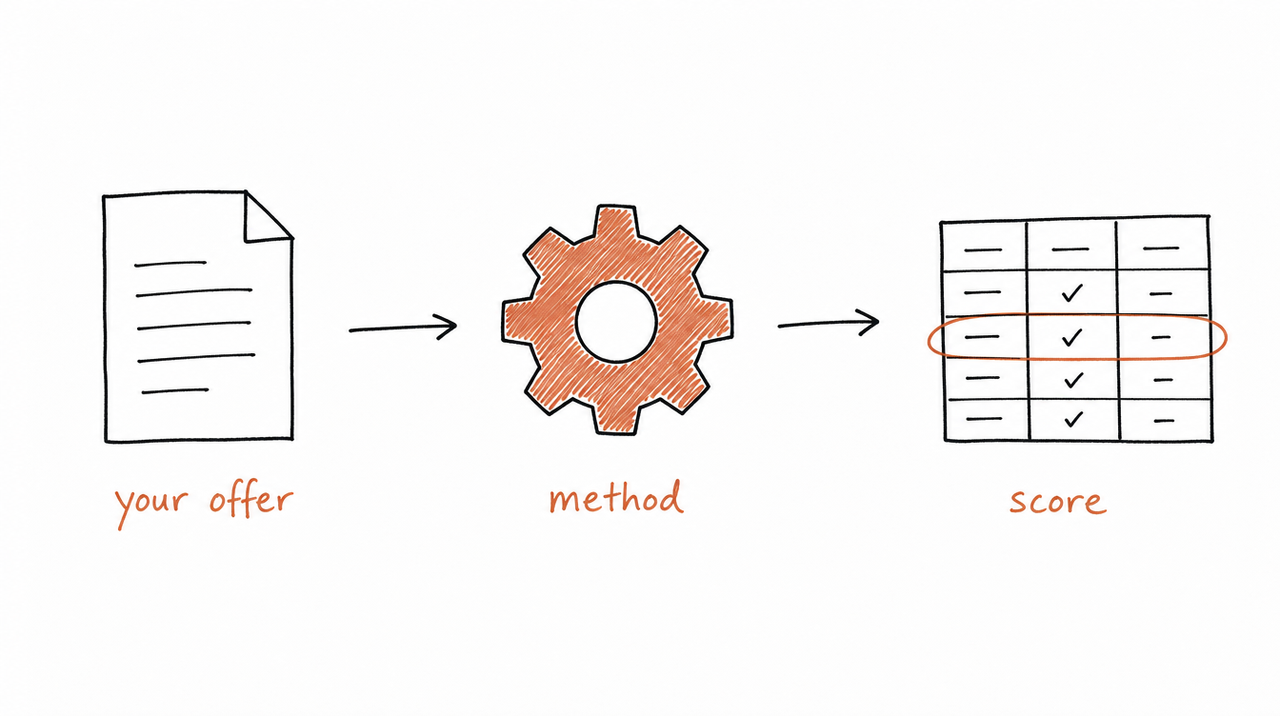
An AI tool is narrower. Instead of "ask me anything," it does one job your method teaches, with defined inputs, steps and output:
- Audit My Offer: scores an offer against the criteria you teach in your offer module.
- Review My Landing Page: applies your conversion checklist to a real page.
- Build My Launch Plan: turns your launch process into a plan for the customer's launch.
The difference shows in the answer. Ask a clone "is my offer any good?" and you get a conversation in your voice. Run an offer audit and you get something like: "Your offer scores 14/25 on the five criteria from Week 2. The weakest is specificity. Here's the rewrite process from the course." A good tool also knows when to stop: if the customer hasn't given it what your method needs, it asks for it instead of guessing.
AI tools usually run inside the AI app your customer already uses, like Claude or ChatGPT, working on their own documents and data.
Side by side
- What it is: an AI clone is a chatbot that talks like you. AI tools are specific jobs your method does.
- Best at: a clone handles questions, leads and between-session support. Tools apply your framework to the customer's own work.
- Where it runs: a clone runs on your website, share page or community. Tools run in the customer's own AI app, like Claude or ChatGPT.
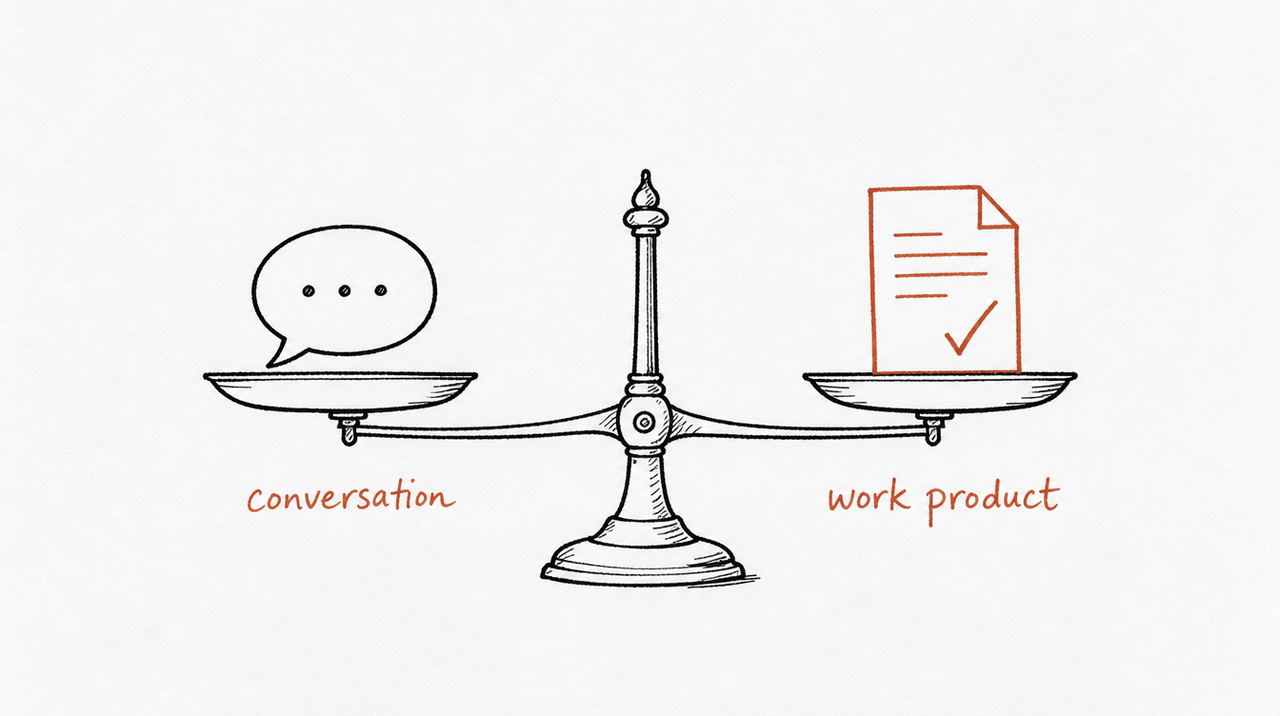
- What the customer gets: from a clone, a conversation. From a tool, a work product: a score, a review, a plan.
- How you earn: a clone mostly drives leads, with paid access on some platforms. Tools are sold as a product, a bundle, or included with your course.
- Main risk: a clone sounds like you but can drift from your method. Tools only cover the jobs you've defined.
Pricing (checked October 8, 2026)
- Delphi: Free plan; Builder $79 a month; Scaler $299 a month, which adds contact import, custom workflows and custom branding; Immortal, custom pricing, with white-glove setup and API access.
- Coachvox: one plan, $83 a month billed annually, with a 14-day free trial. Paid access, coupons and trial periods are included.
Which should you choose?
Choose a clone if your main goal is more booked calls: people find you, don't quite get what you do, and you want them to experience your thinking before they inquire. A clone also helps if clients keep asking the same questions between sessions.
Choose AI tools if your customers already bought and the gap is implementation: they understand your framework but struggle to apply it to their own business. Tools turn "how do I apply this?" into something they can run, and they're a product you can sell or bundle.
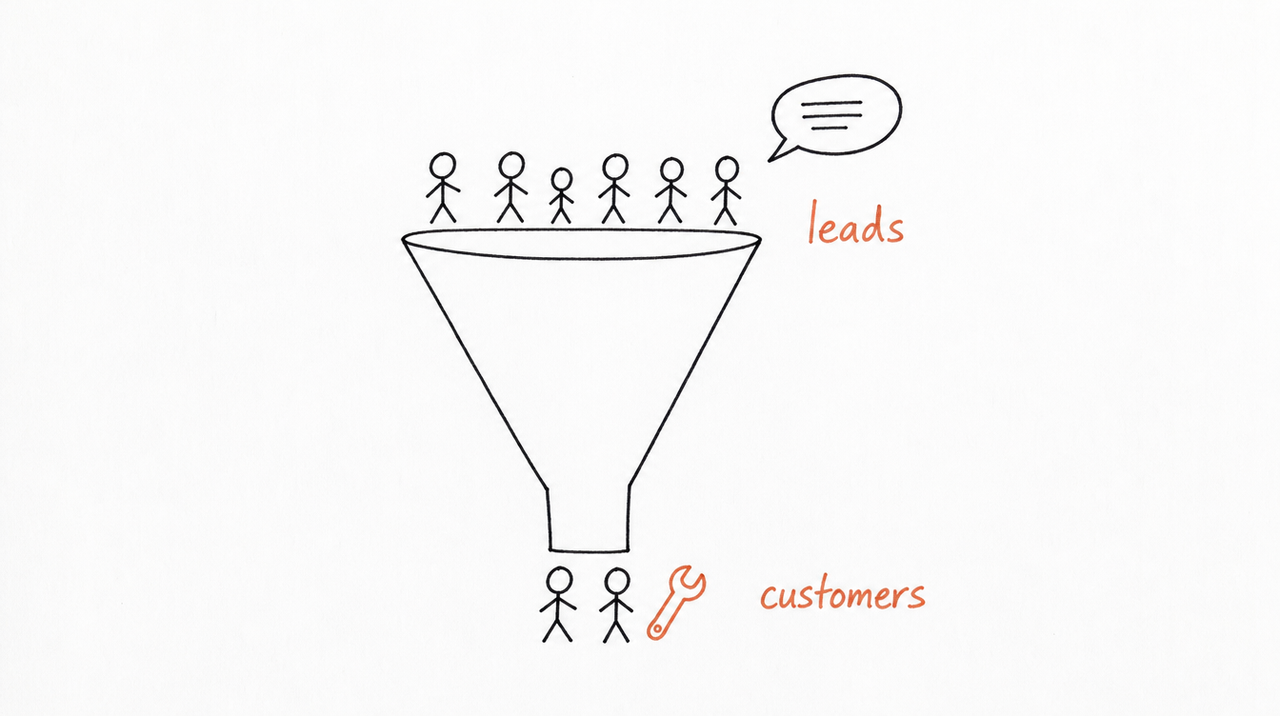
You can do both. A clone at the top of the funnel, tools for paying customers, is a reasonable setup.
Turning your course into tools
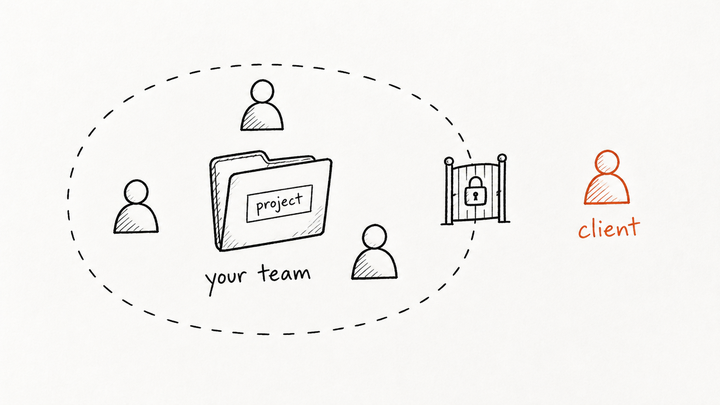
expertrelay reads your course, finds the repeatable jobs inside it, and turns them into tools you review before anyone uses them. Customers use them in Claude, ChatGPT or Cursor without getting your files, and every improvement reaches them all at once. It's free to build and test; you pay when you give customers access.
Want to try it by hand first? How to build a Claude Skill from your course walks through one tool step by step.
FAQ
Can I create an AI version of myself?
Yes. Platforms like Delphi and Coachvox train a chatbot on your content so it answers in your voice. You upload or connect your material, refine the answers, and share it.
What is Delphi AI?
A platform for creating a "Digital Mind": an AI version of you trained on your content that people can chat with or call. It has a free plan; paid plans start at $79 a month.
How much does Coachvox cost?
One plan at $83 a month billed annually, with a 14-day free trial, as of October 2026.
Is an AI clone the same as a custom GPT?
Similar idea: both are chatbots trained on your material. Clone platforms add your voice, lead capture and payments. OpenAI is retiring custom GPTs on December 11, 2026 (see Custom GPTs are being retired).
Will an AI clone give my customers wrong advice?
It can. Any AI that answers open-ended questions can drift from what you'd say. Narrow tools with defined inputs and limits reduce that, which is one reason to use them for paid implementation work.