Finance work is full of methods that should run the same way every time: how you build a DCF, what goes in variance commentary, how you trace a reconciliation break. That's what a Claude Skill holds. Load the method once, and Claude follows it instead of improvising.
The best place to start is free and comes from Anthropic itself. This guide covers what's in it, the finance connectors that give Claude real data, and how to build a Skill for the way you work. If Skills are new to you, start with What are Claude Skills?
Anthropic's finance skills
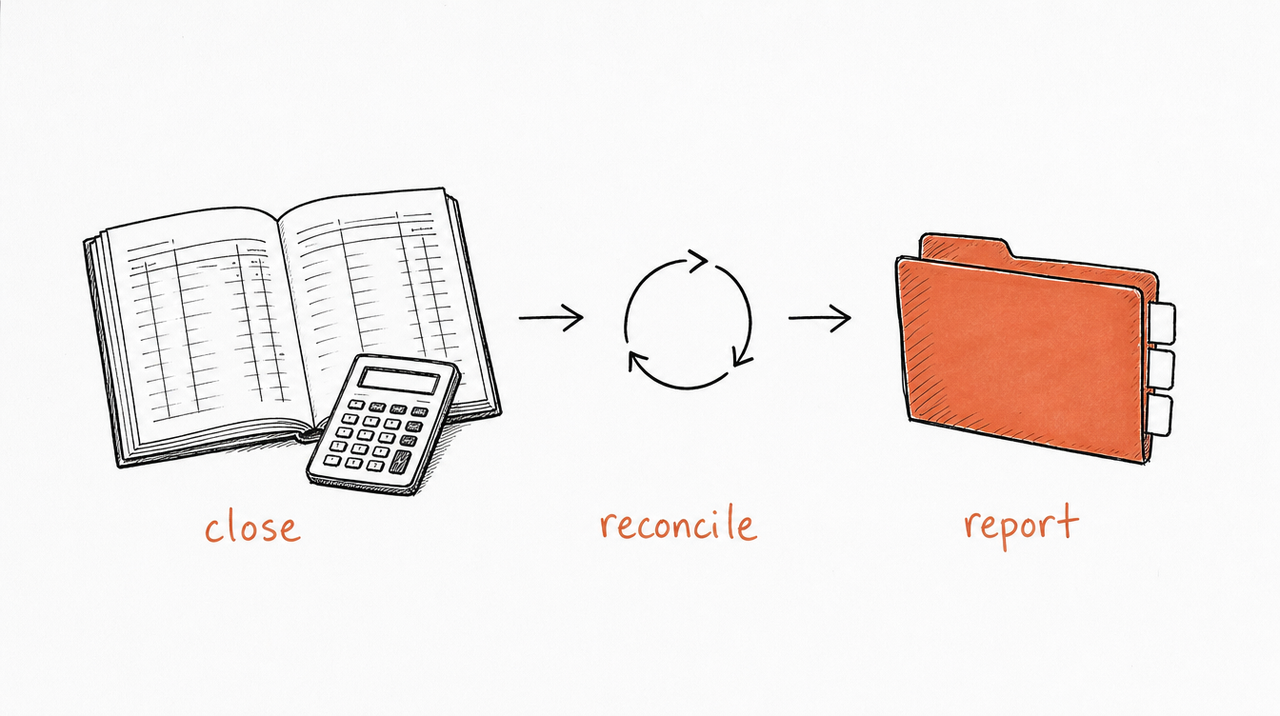
Anthropic's Claude for Financial Services repository (Apache 2.0, about 39,000 GitHub stars) holds skills, slash commands and data connectors for investment banking, equity research, private equity, fund administration and wealth management. They come in bundles called plugins:
- financial-analysis (install this first): comparable company analysis (
/comps), DCF valuation with WACC and sensitivities (/dcf), LBO and three-statement models, an Excel model audit that traces formulas and finds hardcodes (/debug-model), competitive analysis, and deck QC. - investment-banking: CIMs, teasers, buyer lists, merger models, process letters and deal tracking.
- equity-research: earnings notes, initiations, model updates, and thesis and catalyst tracking.
- private-equity: sourcing, screening, diligence checklists, IC memos and portfolio monitoring.
- fund-admin: GL reconciliation, break tracing, accruals, roll-forwards, variance commentary and NAV tie-out.
- operations: KYC document parsing and rules checks.
The same repository also has ready-made agents built from these skills, such as a Pitch Agent, an Earnings Reviewer, a GL Reconciler and a Month-End Closer. Financial advisors get their own plugin, Claude for Financial Advisors, with meeting prep and follow-up, compliance pre-checks, prospect intake and rebalance reviews.
One caveat from Anthropic, worth repeating: nothing in the repository "constitutes investment, legal, tax, or accounting advice." The skills draft work for a qualified professional to review.
How to install them
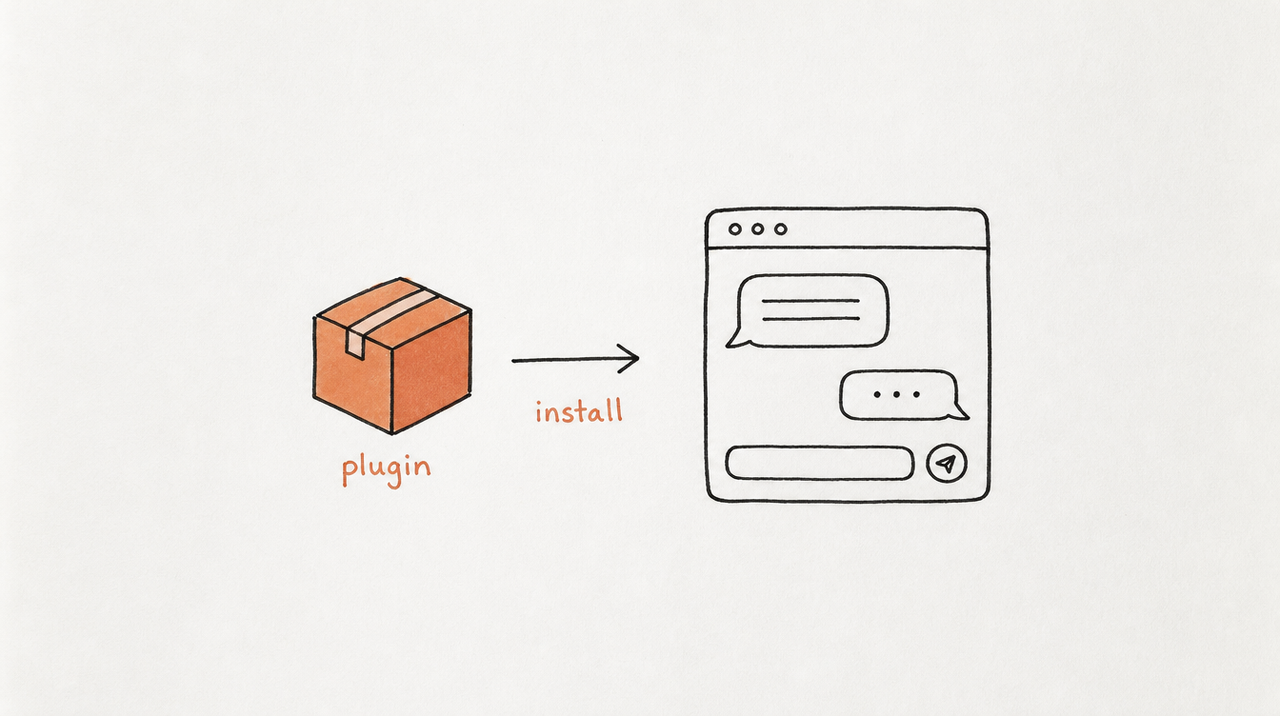
In Cowork: open Settings > Plugins > Add plugin, paste https://github.com/anthropics/financial-services, and pick the plugins you want. You can also zip one plugin folder and upload it.
In Claude Code:
claude plugin marketplace add anthropics/financial-services
claude plugin install financial-analysis@claude-for-financial-services
claude plugin install equity-research@claude-for-financial-services
Skills then load automatically when a task matches, and the slash commands (/comps, /dcf, /earnings) are available in your session.
Give Claude real financial data
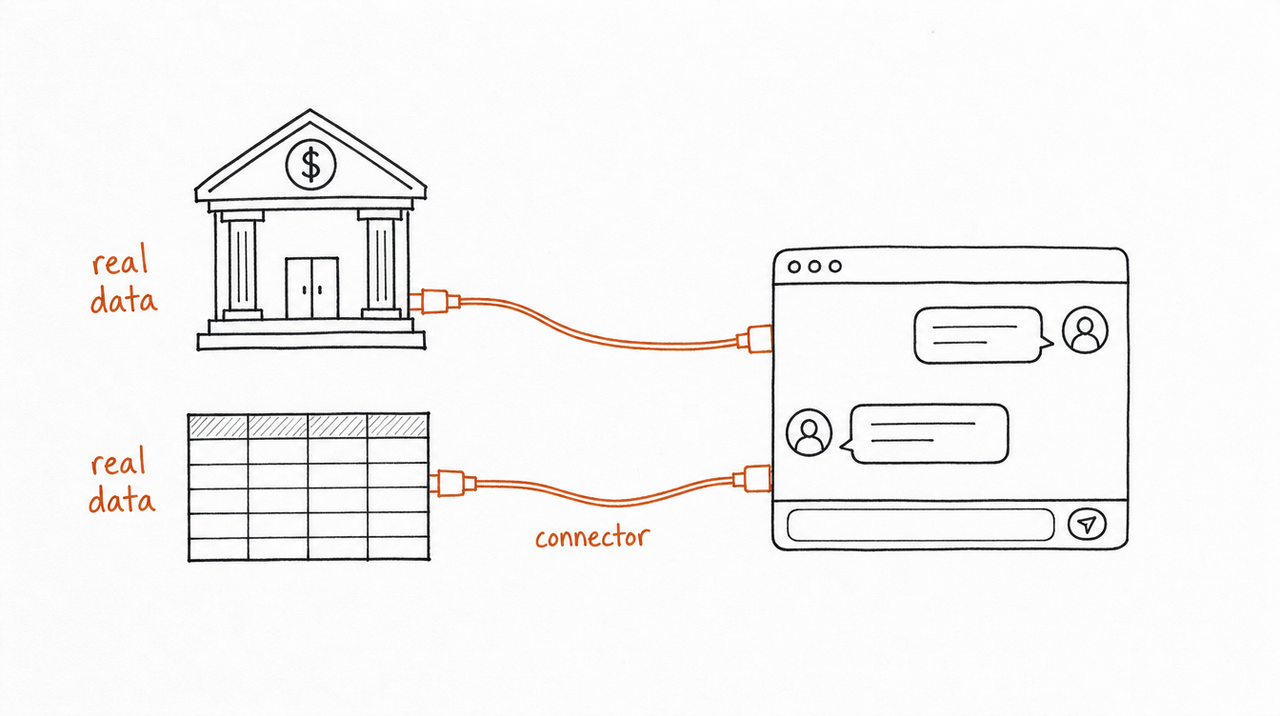
A skill holds the method; the numbers come from a connector. These are in Claude's connector directory, under Customize > Connectors:
- Small business and finance ops: QuickBooks ("Business Finances made simple"), Xero ("Access your Xero financials from any conversation"), Ramp, Brex and Stripe.
- Markets and research: FactSet, Morningstar, PitchBook, S&P Global and Daloopa ("Financial fundamental data and KPIs with hyperlinks").
Each needs an account with that service, and the research providers are paid subscriptions. For a wider list, see The best Claude connectors for marketers and course creators.
Build a skill for the way you work
Anthropic's skills follow common practice. The ones that save you the most time follow yours: your chart of accounts, your materiality threshold, the order your CFO wants to see things in. Anthropic says as much: its skills "get better when you tune them to how your firm works."
Here's a short example for monthly variance commentary:
---
name: variance-commentary
description: Writes monthly budget-vs-actual variance commentary for the management pack. Use when asked to explain variances, write month-end commentary, or review actuals against budget.
---

# Variance commentary

1. Compare actuals to budget and to the prior month, by line.
2. Only comment on variances over 5% AND over $10,000. List the rest in one line.
3. For each variance, give the driver in one sentence: volume, price, timing, or one-off.
4. Mark timing differences as "reverses next month" when they will.
5. Order: revenue, gross margin, payroll, other opex. Lead with anything that changes the full-year forecast.
6. Never guess a driver. If it isn't in the data, write "to confirm with [owner]".
Change the thresholds and order to match yours. The fastest way to write one is to ask Claude: its built-in skill-creator interviews you and drafts the SKILL.md. See Claude's Skill Creator: how to use it, and where it stops.

If you teach finance
If your method is what you sell, as a modeling course, a CFO coaching program or an accounting firm's playbook, it can become a Skill your clients use. expertrelay reads your course, finds the Skills inside it, and lets you review each one privately. Clients then use them from Claude, ChatGPT or Cursor without getting your files, and every update reaches everyone at once.
FAQ
What are the best Claude skills for finance?
For institutional work, Anthropic's own: start with the financial-analysis plugin for comps, DCF and LBO models, then add the plugin for your area. For your own reporting, a skill you build around your thresholds and format.
Are Claude's finance skills free?
Yes. Anthropic's repository is free under the Apache 2.0 license. The data providers they connect to, like FactSet or PitchBook, are paid.
Are there Claude skills for financial advisors?
Yes. Anthropic's Claude for Financial Advisors plugin covers meeting prep and follow-up, compliance pre-checks, prospect intake and rebalance reviews.
Can Claude give financial advice?
Anthropic is clear that its finance skills don't: they draft analyst work for a professional to review, and don't make investment recommendations or execute transactions.
Do they work in Excel?
Several skills build or audit Excel models, and Anthropic's repository includes admin tooling for the Claude add-in for Microsoft 365, so firms can run Claude inside Excel and PowerPoint.