YouTube is full of videos promising Claude Skills that make money. Most of them are really about something else: a community to join, a course, or a service business. That's not a criticism. It's a clue. The money in Claude Skills is rarely in selling the file itself.
Here are the five ways people actually earn from Skills, what each looks like in practice, and the catch with each one.
First: a Skill on its own is easy to copy
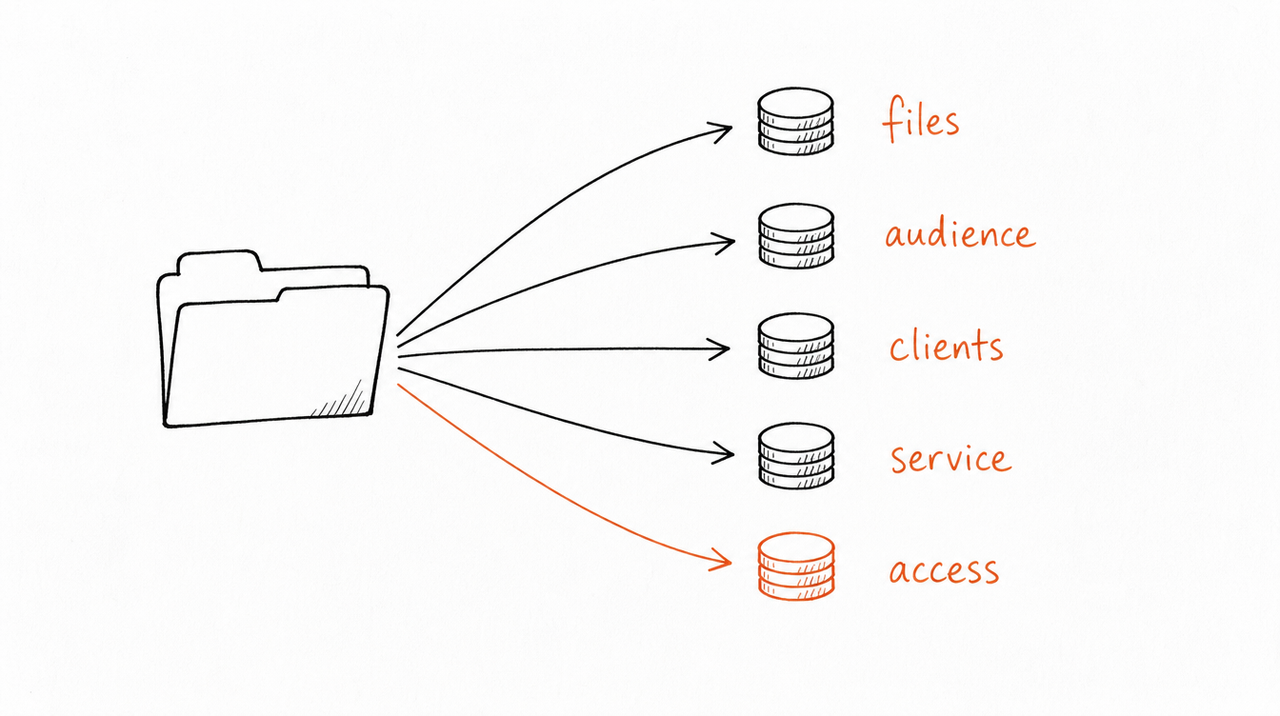
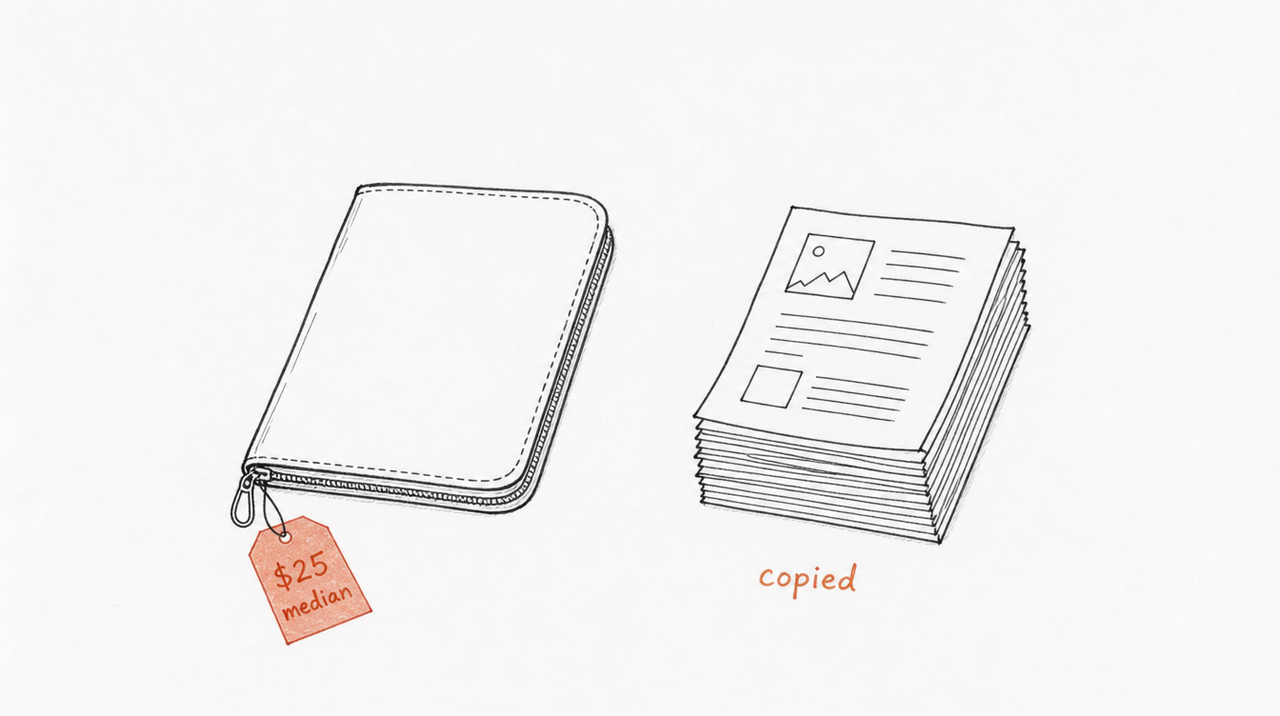
A Skill is a folder of plain-text instructions. Claude can write one for you in minutes with skill-creator, and plenty of free ones are on GitHub. So a generic Skill ("writes LinkedIn posts", "summarizes meetings") is hard to charge for: the buyer can get something similar for free.
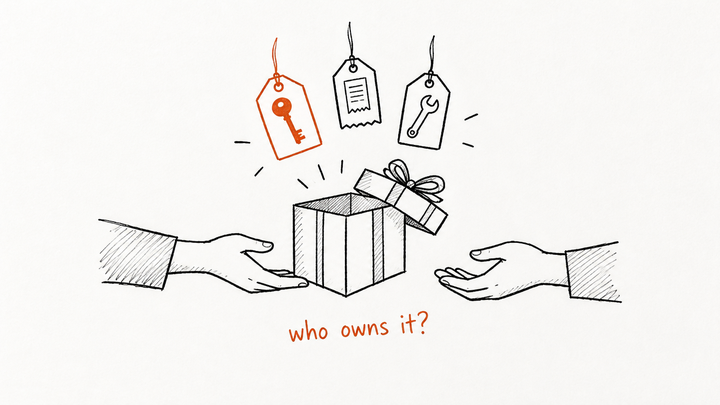
What people do pay for is one of three things: a method they don't have (your audit, your rubric, your process), work done for them, or ongoing access to something that keeps improving. Each of the five options below sells one of those.
1. Sell the Skill files
The obvious route: zip the Skill, list it on Gumroad or a similar store, and sell the download. Gumroad charges 10% + 50¢ per sale through your own links (30% when it finds the customer through its Discover marketplace), and it handles sales tax.
What the market looks like. In October 2026 we looked at 40 Claude Skill products on Gumroad:
- 13 were free.
- The 27 paid ones ranged from $2 to $90, with a median of $25.
- Only 7 of the 27 paid products had a single rating.
That's a small sample, but it matches what the store suggests: lots of listings, low prices, and most of the attention going to free packs.
The catch. Once someone downloads your Skill, they have your full instructions in plain text. They can read it, share it and keep it after a refund, and every improvement means asking buyers to download and reinstall. Gumroad's license keys don't help here: its own help page says they "will NOT help you limit access" to your files.
Good for: cheap templates, and Skills you're happy for people to pass around. Selling a Claude Skill on Gumroad vs hosting it compares the two routes in detail.
2. Give Skills away to grow an audience
This is what many of the most-watched "make money with Claude" creators actually do. The Skills are free, offered in exchange for an email address or for joining a community. The money comes from what's behind that: a paid community, a course, coaching, or sponsorships.
The catch. It only pays if you have, or are building, the paid thing behind it. And free Skills spread, which is the point. If you also want members-only Skills that people lose when they cancel, files won't do that (see option 5).
Good for: creators who already sell a community, course or program.
3. Build Skills for businesses
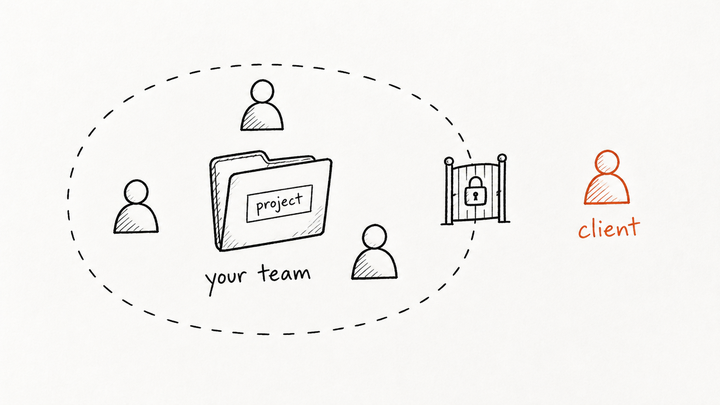
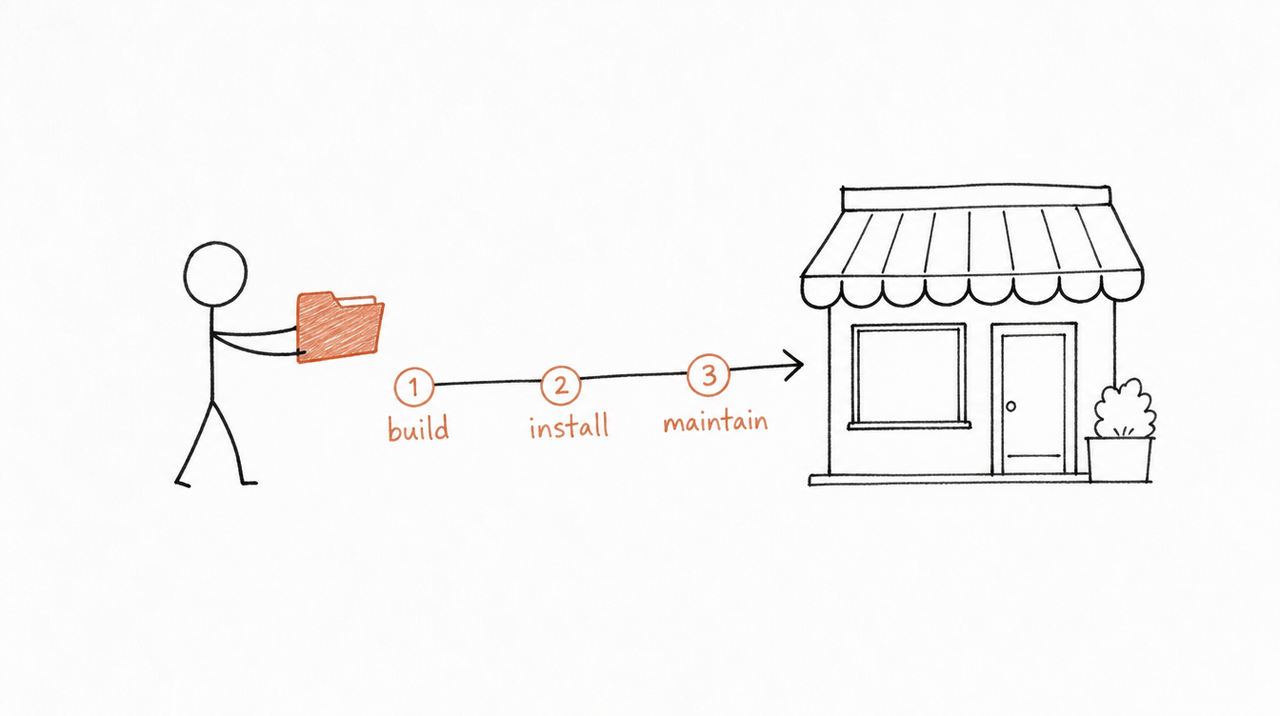
The "Claude Skills you can sell to local businesses" idea. You learn how a business does a job (its proposals, its client reports, its intake), turn that into Skills, install them, train the team and keep them updated. On Claude's Team and Enterprise plans, the account owner can provision Skills to the whole organization; members can use them but can't edit their contents.
It's priced like consulting: a fee to build, and often a monthly retainer to maintain.
The catch. It's a service business. Your income grows with your hours, and each client ends up with its own copy of what you built. That's fine when the Skills encode the client's process. It's a problem when they encode yours and you want to reuse your method across many clients, which is where white-label AI for agencies comes in.
Good for: consultants, freelancers and agencies who already sell to businesses. AI tools for consultants covers the tooling side.
4. Use Skills to deliver a service faster
You don't have to sell the Skill at all. Build Skills for your own work (audits, reports, content, research), and sell the result. The client pays for the finished report; your Skills never leave your computer.
The catch. Your income is still capped by how many clients you can serve. Skills make each one faster, not unlimited.
Good for: freelancers who want better margins on work they already sell.
5. Sell access, not files
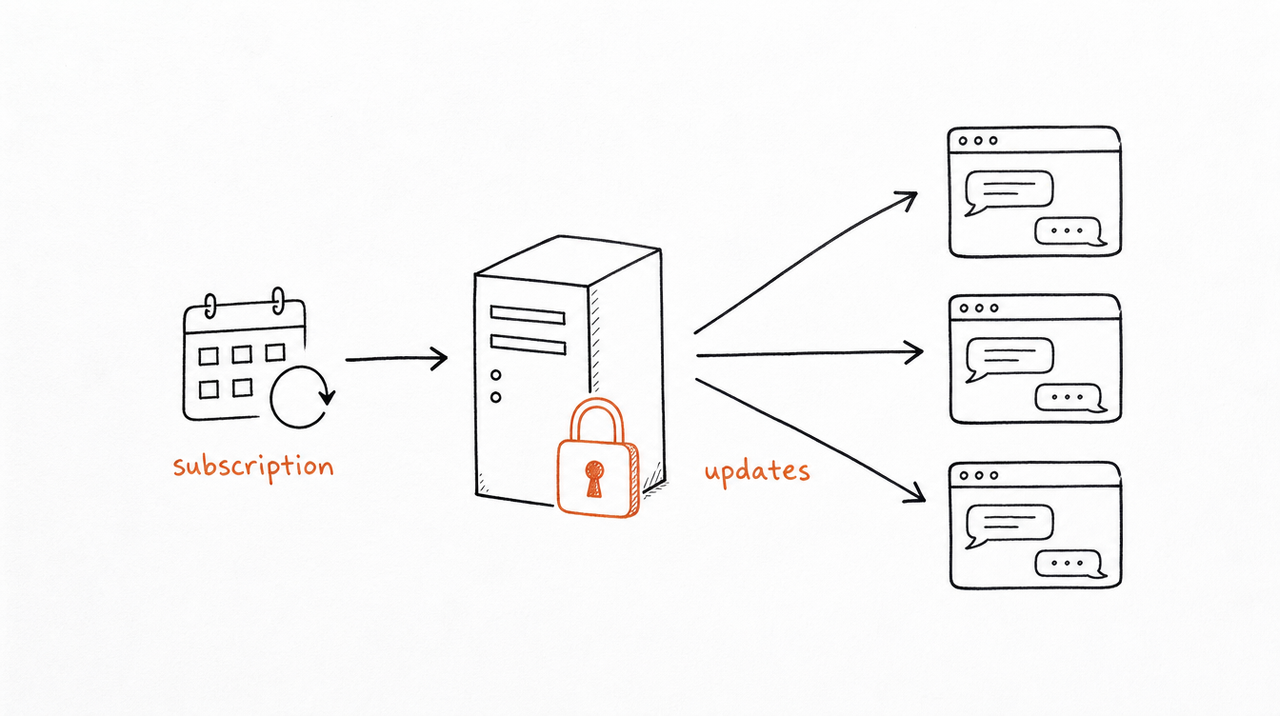
The fifth option is to keep the Skill on a server and sell access to it. Customers connect once from the AI app they already use, such as Claude, ChatGPT or Cursor, through MCP, and run your Skill on their own work. They get the results; your instructions stay on the server.
That changes what you can sell:
- A subscription, because access can end when the subscription does.
- Members-only Skills, included with a course, community or coaching program, and gone when someone cancels or gets a refund.
- A product that improves, because an update reaches every customer on their next run, with nothing to reinstall.
The catch. You need somewhere to host it. You can build your own MCP server with sign-in and payments, or use a platform built for it. And Anthropic's plugin directory won't help you charge: it has no paid listings.
Good for: anyone whose method is the product. How to sell a Claude Skill without giving away the SKILL.md covers what hosted access needs.
Which one fits you?
- You have a general-purpose Skill: give it away (option 2), or sell it cheaply as a file (option 1).
- You have clients: build Skills for them (option 3) or use them to serve clients faster (option 4).
- You have a method people pay to learn, in a course, coaching program or agency: sell access to it (option 5).
What makes a Skill worth paying for
Whichever route you choose, the Skills that earn have the same things in common:
- A method the buyer doesn't have. Your rubric, your thresholds, your process, the things a free Skill can't know.
- One clear job, with defined inputs and a defined output: a score, a review, a plan.
- A specific buyer. "Proposal review for 10-person design studios" sells better than "proposal writer".
- Proof. A before-and-after on a real case is worth more than any description.
If you teach that method already, you're most of the way there. How to turn your online course into an AI tool covers finding the Skills in a course.
Selling access with expertrelay
expertrelay is built for option 5. Upload the Skill you already have, or the course, playbook or framework it comes from. Test it privately, then sell access on your own terms: one Skill, a bundle, a subscription, or included with your course or membership. Customers connect once from Claude, ChatGPT or Cursor, your files stay private, and access follows purchases, refunds and cancellations. It's free to build and test; you pay a flat platform fee when customers get access, with no cut of your sales.
See how selling a Skill works →
FAQ
Can you make money with Claude Skills?
Yes, but rarely by selling generic Skill files. The reliable routes are building Skills for businesses, using them to deliver a service, using free Skills to grow an audience, and selling access to a Skill built from your own method.
How much do Claude Skills sell for?
In our October 2026 sample of 40 Claude Skill products on Gumroad, 13 were free and the paid ones ranged from $2 to $90, with a median of $25.
Can I sell a Claude Skill in Anthropic's marketplace?
Not as a paid listing. Anthropic's plugin directory doesn't offer a way to charge. See The Claude plugin marketplace.
Can buyers share a Skill I sell them?
If you sell the files, yes: they have the full instructions and can pass them on. If you sell hosted access, they get results, not the files, and access can be revoked.
Do I need to code to sell Claude Skills?
Not to write one: a Skill is plain text, and Claude's skill-creator can draft it for you. Hosting one yourself takes code (an MCP server, sign-in, payments). Platforms like expertrelay handle that part.